A Brief History
The benefactor behind the four separate buildings known as Butterfield Homes was Mr Thomas Butterfield, owner of Butterfield and Frazer Mill at Cottingley, which specialised in textiles. The four locations are:
- Butterfield Homes – Wilsden
- Butterfield Homes – Cottingley
- Butterfield Homes – Crosshills
- Butterfield Homes – Baildon
Mr Butterfield’s business prospered in the early 1920s. By 1923, he was able to purchase two new Rolls-Royce cars. When he retired and sold the mill to the Riddiough family in 1926, he chose to give something back to the communities with which he had been connected.
Reason for Each Location
- Wilsden – Mr Butterfield was brought up here.
- Cottingley – Close to his mills, where he ran his business.
- Crosshills – His second wife originated from this area.
- Baildon – Mr Butterfield and his family resided in this residential town.
He endowed each of the four charities with £2,000 for the construction of the homes. Any remaining funds were invested to generate income for the ongoing maintenance of each charity.
Construction of the buildings, which share a distinctive architectural style, took place between 1930–1936. Each site proudly features a name stone stating: “Butterfield Homes 1930”. Mr Butterfield also established separate trustees to oversee each charity. The Bailden homes were managed by the council and then by a separate charity.
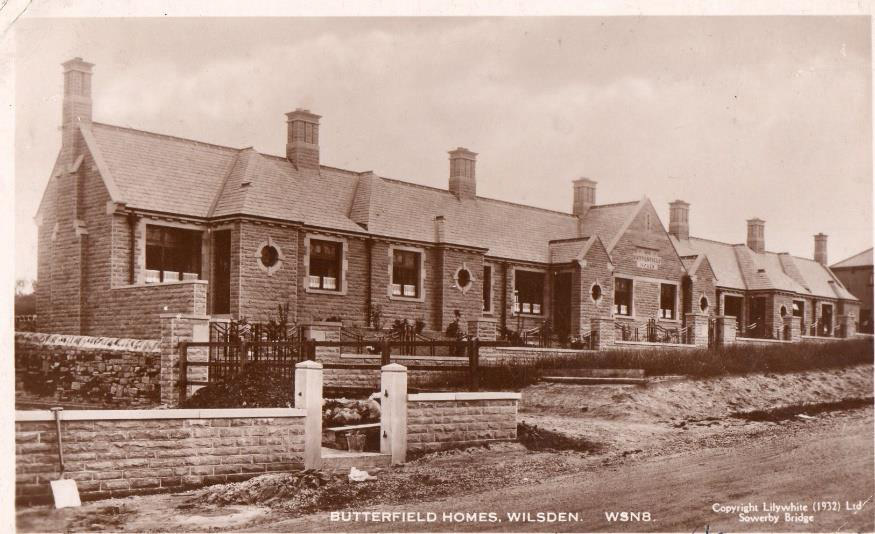
Photo Source: Wilsden Parish Council
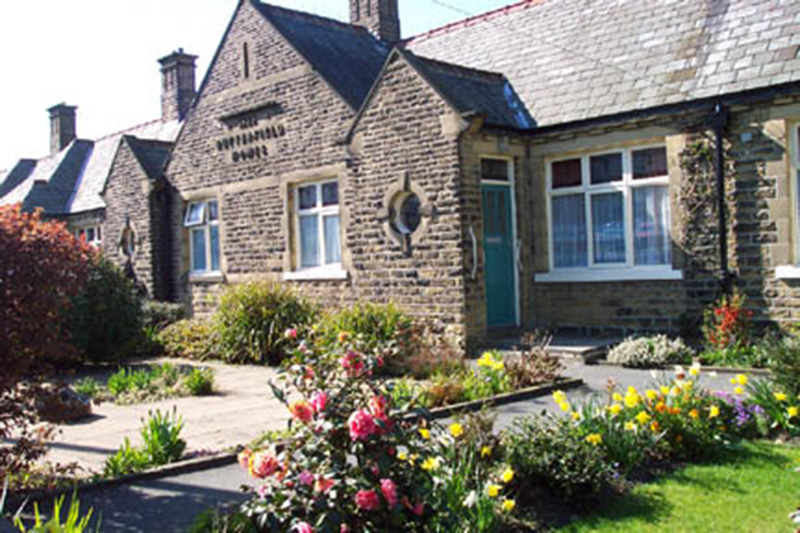
Photo Source: Margaret Kupra
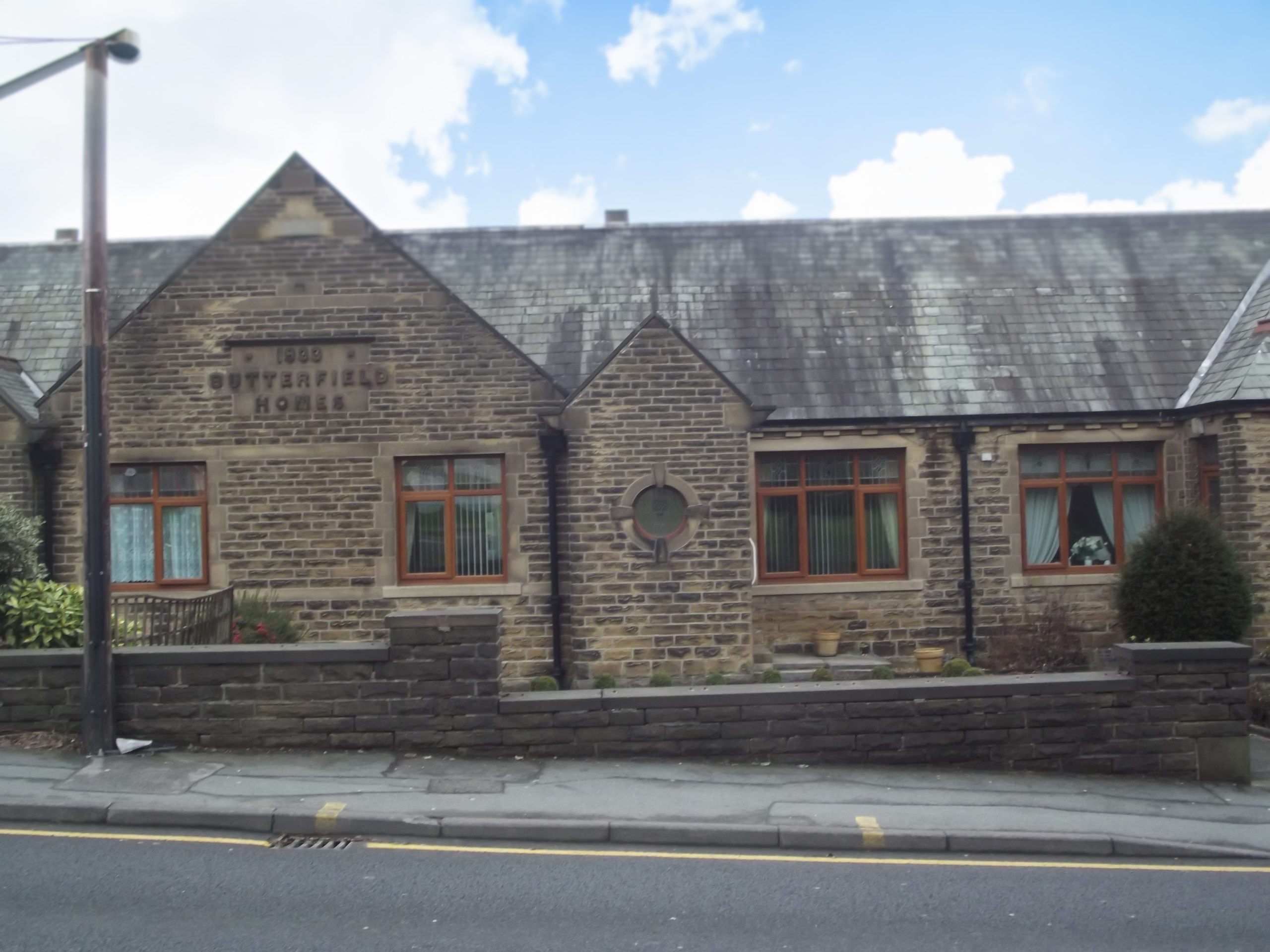
Cottingley before solar panels and railings
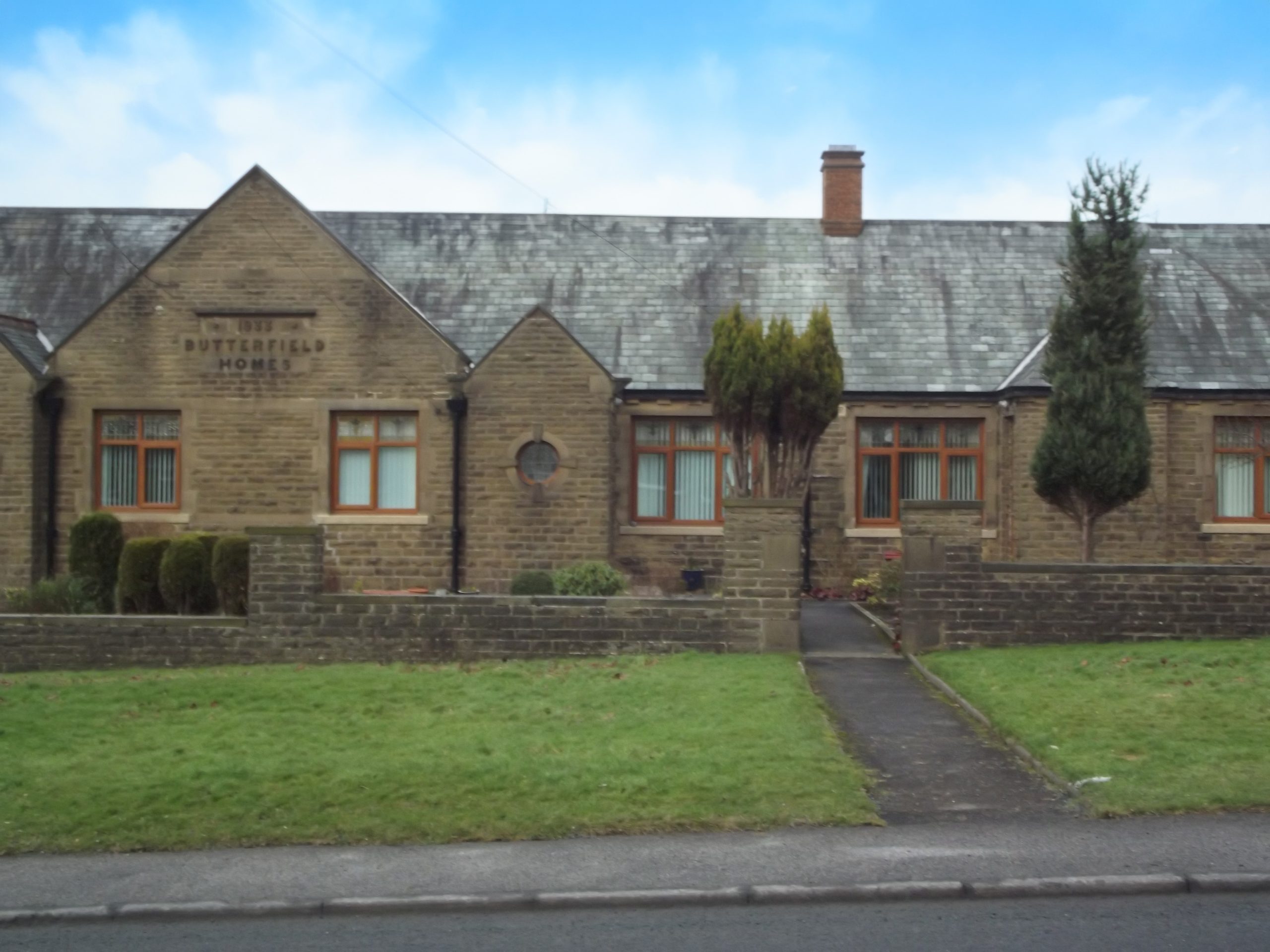
Wilsden before railings were replaced (original railings were taken away during the Second World War)
Founder Chairmen
- Crosshills – Mr Riddiough, the new owner of the Cottingley mill, who lived nearby in Lothersdale.
- Wilsden – Mr Hanson, Manager of the Mill, who resided in Wilsden.
- Cottingley – The main fitter at the mill.
Each site operated independently, with its own committee and governance, until the 1960s–70s, when the trustees began holding joint meetings while maintaining separate financial and legal structures.
Changes Over Time
By the 1960s–70s, shifts in the textile industry and the performance of the pound sterling meant that the original endowments no longer covered maintenance and running costs. The mill eventually closed in 1972.
Though the almshouses at Crosshills, Wilsden, and Cottingley remained in good repair, they required refurbishment to meet twentieth-century standards. In the early 1980s, the Trustees enlisted Anchor Trust’s specialist Almshouse Team to help fund refurbishment through Housing Corporation grants and loans.
Cottingley, Cross Hills and Wilsden are all now independent charities managed by the same volunteer trustees. All three sites maintain a strong resident community and provide a high standard of accommodation, reflecting the foresight and dedication of Butterfield Homes’ Trustees over the years.